Dinifi
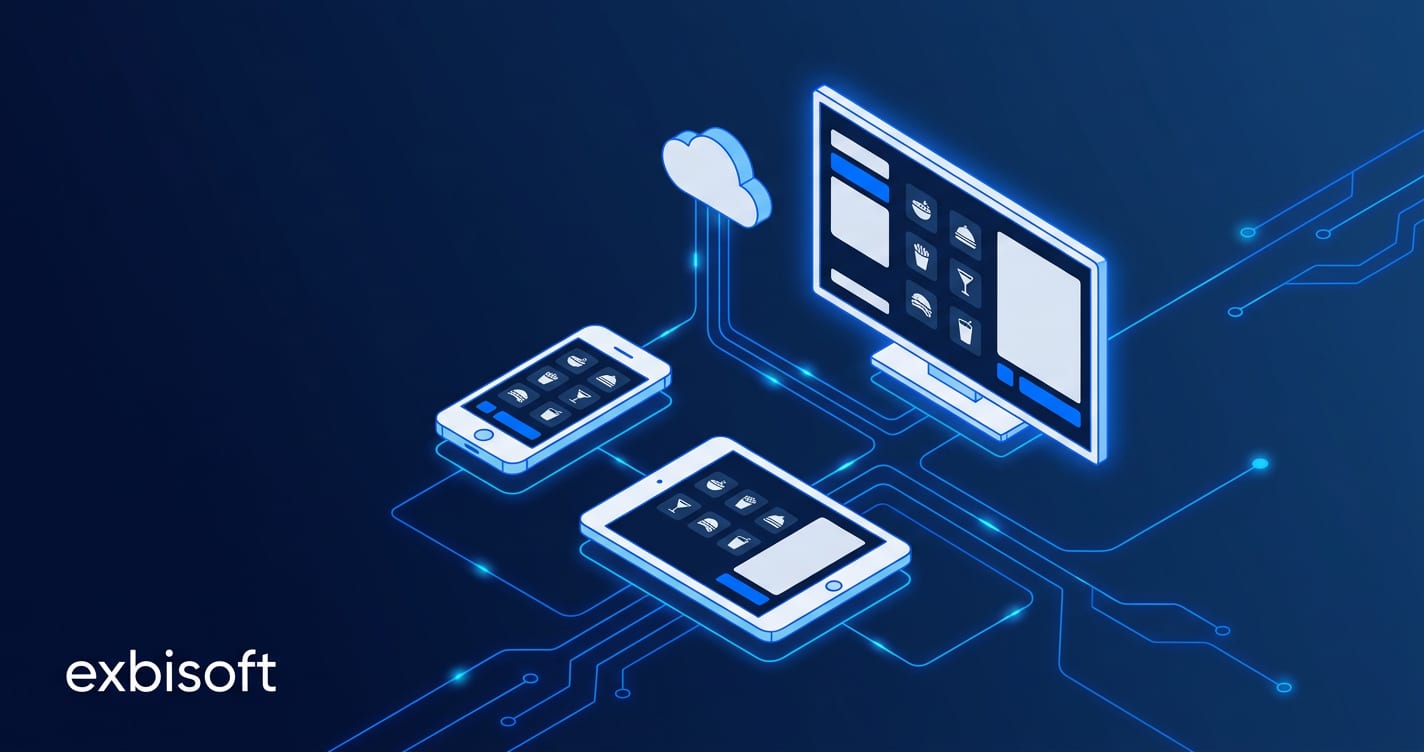
A Plano, Texas-based startup needed a mobile-first platform to streamline point-of-sale and online ordering for restaurants and service industry merchants — replacing the disconnected mix of…
View Case Study →Existing applications onto Azure or a private cloud — moved, stabilised, monitored
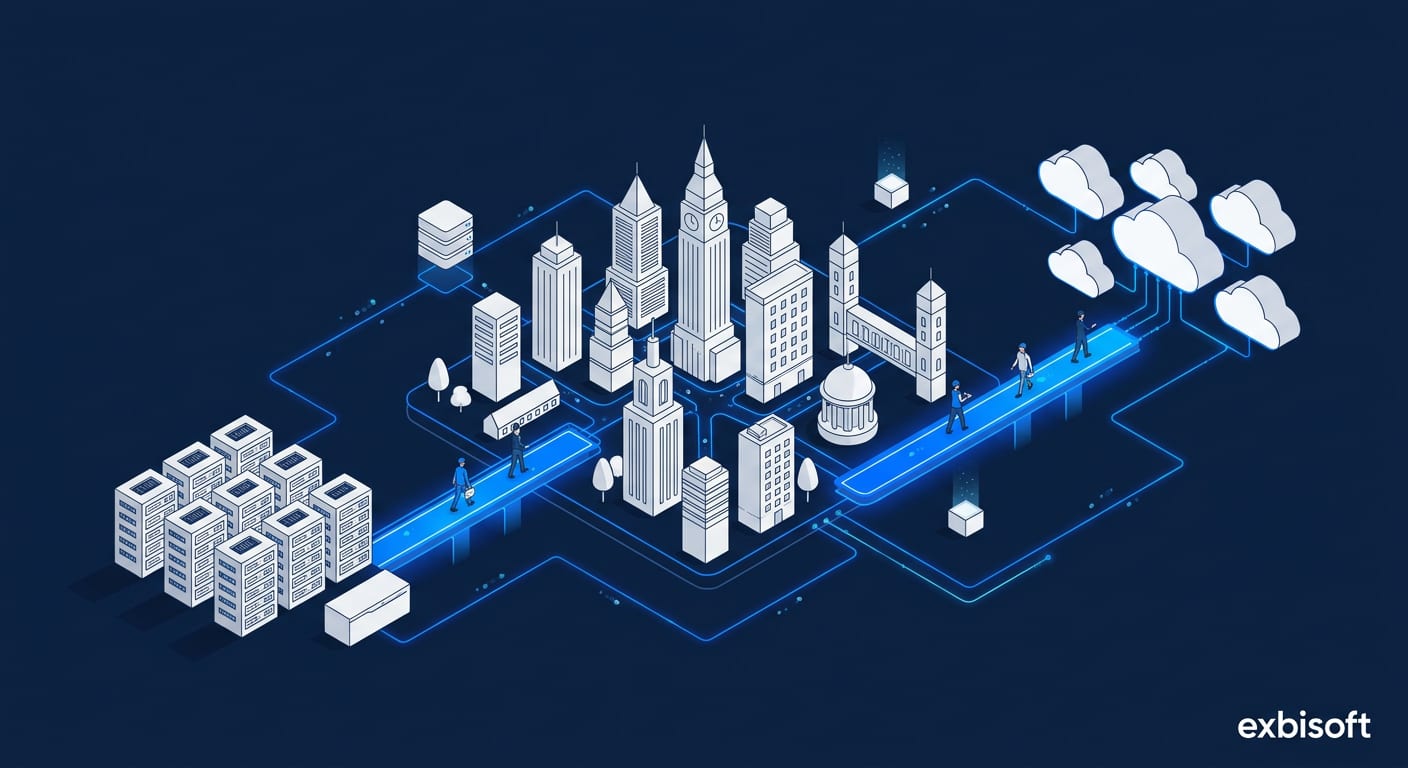
We migrate existing applications, mostly .NET and SQL Server, onto cloud infrastructure: Azure, or a private cloud when the data has to stay in a specific country or a specific rack. Then we set up the environments, the deployment pipeline, the monitoring and the cost controls that make it a system you can run, not a server that happens to be somewhere else.
We are not a cloud consultancy, and we do not design enterprise cloud architectures from a blank page. What we do is narrower and more useful to most mid-sized teams: take the application you already have, move it onto infrastructure that will still be supported in five years, and make sure it runs at least as well as before, with a way to deploy, a way to see what is happening, and a bill you can explain.
The migrations that go wrong are rarely the technical lift. They are the ones where nobody planned the data cutover, nobody tested the failover, the secrets moved in a text file, or the monthly cost came as a surprise in month two. Those are the parts we plan first.
A migration is finished when the application has been in production for a month without anyone thinking about the infrastructure. That is the standard we plan to.
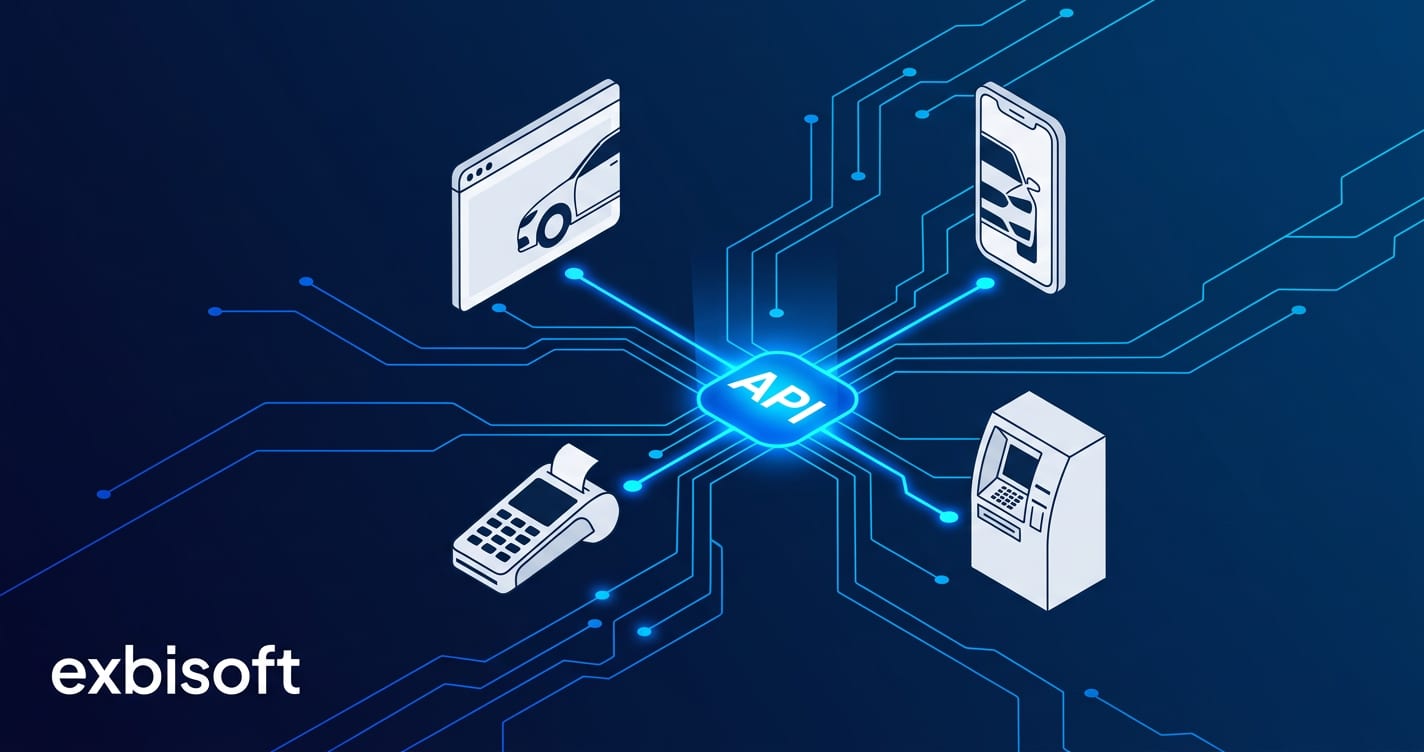
A licence-renewal platform we built for a startup runs on Azure with SQL Server and Azure Functions handling the background renewal processes. Partners embed its API in websites, apps, point-of-sale systems and ATMs, so the infrastructure has to hold up under always-on public use. We migrated a restaurant point-of-sale platform onto Azure to carry merchant-scale transaction volume the same way.
A multi-tenant ERP for a group of medical products companies runs on a private Windows cloud, because that is where the group's data has to live. Cloud migration is not always a hyperscaler; it is the infrastructure that fits your obligations, set up with the same discipline.
We do one thing here: move and stabilise existing applications, mostly .NET. We say so plainly rather than overselling architecture work we do not specialise in, and we bring in the right partner when a migration needs more than that.
Migration is not finished when the application boots in the cloud. We set up the monitoring, alerting and backups that tell you if something goes wrong, and we rehearse the restore, so a backup is a recovery plan rather than a file.
Documentation, environment diagrams and your own credentials to every resource. If you ever want to run it without us, you can. Most clients keep us on for the operations afterwards, but that is a choice, not a lock-in.
Tell us what you are running today, where the data has to stay, and what worries you about moving it. We will tell you honestly what the move involves, and what it will cost to run afterwards.
Start a conversation